The Shared Regulatory Service (SRS) recently published its annual report (pdf).
The SRS was set up by Bridgend, Vale of Glamorgan and Cardiff to jointly run certain backroom legal and regulatory services in areas such as environmental health, trading standards and licensing.
Some of the key figures and findings relating to Bridgend include:
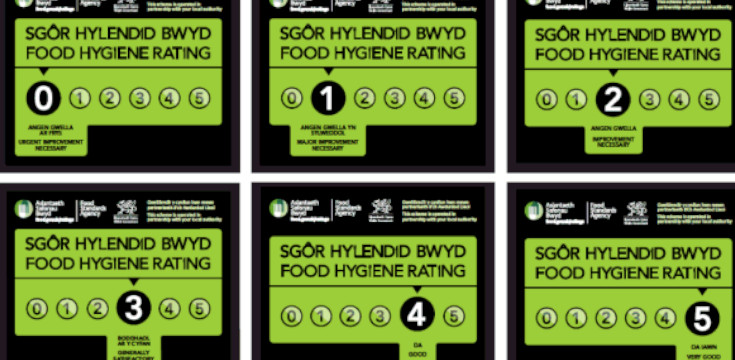
- 97.4% of food establishments were “broadly compliant” with food hygiene standards – the highest proportion of the three SRS councils – but the food hygiene inspection regime has been hit by Covid regulations and business closures. This has meant that in the medium-risk category of food premises (Category C), only 10.3% were inspected in Bridgend. However, all high-risk (Category A) premises were inspected as required.
- Only 3 of 7 “high risk” trading standard businesses and 53.5% of new businesses were inspected by trading standards – again blamed on Covid closures and restrictions – though these rates were generally higher than the other SRS councils.
- Almost all (39 out of 40) significant trading standards breaches in Bridgend were rectified during 2020-21.
- More than 90% of domestic noise and air pollution complaints were responded to within 3 working days in the final quarter of 2021-22, but across the year as a whole, the response rate was slightly below the 90% target at 88.3%.
- Just 71.6% of commercial noise and air pollution complaints were responded to within 1 working day (target: 75%).
- All licensing decisions were made within 2 months of applications.
Despite the backlog in food hygiene inspections, the SRS were confident that inspections for lower-priority businesses (categories B & C) would be completed between June-September 2022.
One key issue identified in the report is staff shortages caused by recruitment problems. This is causing particular problems in roles that require professional qualifications, such as environmental health officers and trading standards officers. Vacancies are becoming harder to fill and the workforce is ageing.
29 environmental health students were temporarily recruited to meet Covid shortages and some have since been appointed to permanent roles.
However, the report concludes that while there’s no single identifiable cause of increased vacancies, “some of the reasons given by leavers include the desire to work closer to home, re-evaluation of the work and family life balance, and the attraction of higher levels of pay in the private sector.”