The future of town centres in Bridgend has long been a topic of great controversy and debate over several years and an Audit Wales report published earlier this week examines the issue of town centres and regeneration in more detail (pdf).
The Welsh Government has spent around £900million on regeneration schemes since 2014, with £1.98million awarded to Bridgend during 2020-21 alone.
The Welsh Government is actively pursuing a policy of “town centres first”, but Audit Wales said they had to be clearer on what this means in practice and how they intend to deliver it.
It’ll come as little to no surprise that one of the key drivers for the decline of town centres has been out-of-town retail developments aided by post-war planning policies. The expansion of retail parks and the opening of the McArthur Glen Outlet in the 1990s has been cited anecdotally as a reason behind the perceived decline of Bridgend town centre and it’s likely to have a basis in truth.
Other factors include business rates, a reduction in the number of key services being located in town centres as well as increased online shopping.
Last year, Bridgend Council published a new masterplan for Bridgend town centre, while regeneration efforts in Porthcawl – long-stalled – have been given a new refocus.
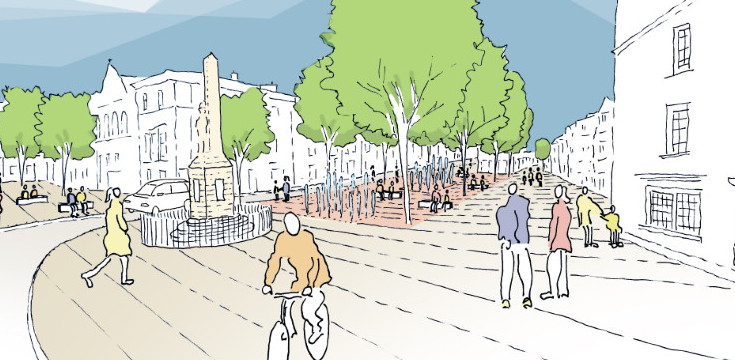

BCBC officers and Cabinet members may feel vindicated after several measures put forward in various masterplans for Bridgend county – such as more open/green space and the redevelopment of retail spaces for alternative uses like housing – were recommended by Audit Wales.
However, Audit Wales suggests that some local authorities may lack the necessary skills amongst staff to deliver complicated regeneration projects. Councils are also reluctant to use powers already at their disposal – such as Compulsory Purchase Orders – to drive regeneration efforts.
Other recommendations include a review of business rates and streamlining the bidding process for Welsh Government regeneration funding.