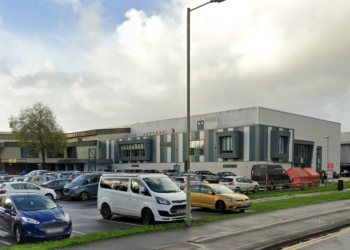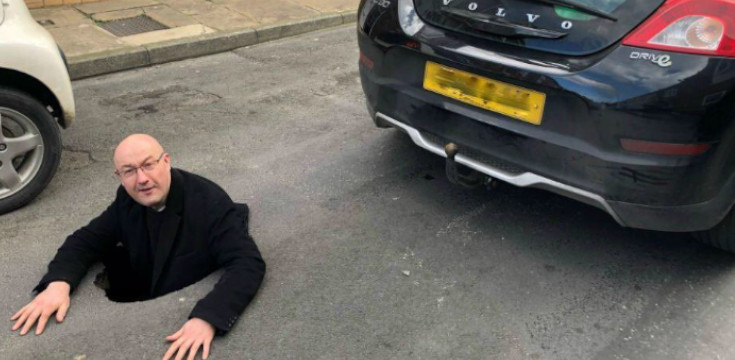
*The photo above wasn’t taken in Bridgend before someone says otherwise.
A report discussed by a council scrutiny committee yesterday revealed the ongoing impact of cuts to highways budgets going back more than a decade (pdf). You can watch the full meeting here.
Spending on highways maintenance in Bridgend has remained static at around £3.7million annually for the last three years.
Bridgend Council’s highways department has prioritised main roads which carry a lot of traffic – and a multi-million pound resurfacing programme has been ongoing for the last year or so.
However, 67% of the county’s roads are unclassified (C-roads) and highways officers believe this unclassified network has deteriorated at the expense of the main roads. The good news is that compared to the Welsh average, the county’s roads are in a better condition (even C-roads).

The council’s highways department uses scanners and skid resistance tests to determine which parts of the road network need repairs and when. Planned resurfacing of longer sections of roads is said to be more cost-effective than individual pothole repair. Repairing a single pothole costs between £100-150 per sqm, but full resurfacing costs £24 per sqm.
The highways department currently carried out up to 2,500 pothole repairs a year (costing up to £300,000) and receives up to 8,000 referrals a year from councillors and members of the public annually.
The way the council carries out some of its resurfacing work (surface dressing) has caused some controversy. They use a lower-cost technique where they combine bitumen with loose chippings. The chippings gradually bind with the bitumen and are forced into the new surface by passing traffic – but it can cause a nuisance to nearby residents and the chippings can go everywhere.
Street light replacement programme almost completed
The other major project undertaken by the highways department during this term is the replacement of street lights with more energy-efficient LED lights.
There are up to 19,300 street lights in Bridgend county. The replacement programme has been funded through an interest-free loan, paid for by the savings from lower running costs.
The replacement programme is coming to an end, saving 3million KWh to date and resulting in the removal of more than 2,500 concrete lighting columns. Around 200 new lighting columns are installed annually.
The next stage will be the replacement of cabling as most if over 50 years old and nearing the end of their useful life, resulting in increased outages as the cables fail. Ongoing repairs of individual lights are not considered particularly cost-effective so a wider programme is considered more suitable.